




|
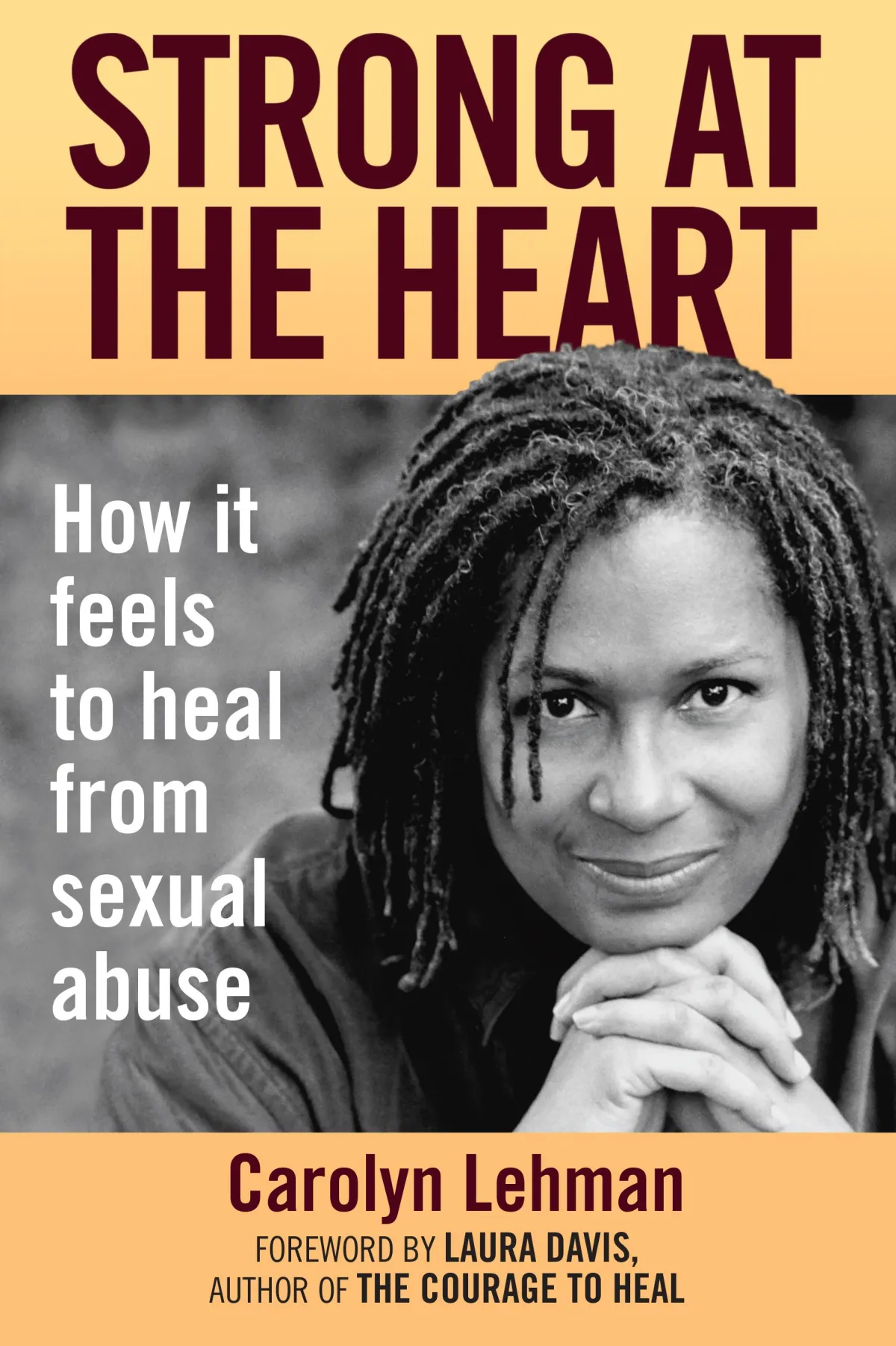
Carolyn Lehman is an author, educator, and child advocate. She has spoken and written on issues related to children and families for more than twenty years. After earning degrees at U. C. Berkeley and Simmons College she taught in the English Department and the School of Professional Studies at Humboldt State University. As a children's literature specialist, she advises California Indian tribes on the development of their children's collections and is one of the founders of the Northcoast Native American Children's Authors Festival. Her novel for younger children PROMISE NOT TO TELL, (published under her maiden name, Carolyn Polese) received a Christopher Award for its sensitive portrayal of a young girl's struggle to tell about sexual molestation.
Her groundbreaking new book, STRONG AT THE HEART: How It Feels to Heal from Sexual Abuse brings readers face-to-face with teen and adult survivors of sexual abuse who talk about the choices they made and the people they turned in the healing process. STRONG AT THE HEART has been honored by the Bank Street College Children's Book Committee, the New York Public Library, and Skipping Stones Magazine.
At her website strongattheheart.com readers can find out how the book was written, connect with resources, learn more about abuse and healing, and follow the publishing experience on the book blog.
Carolyn and her husband are avid wilderness travelers and once canoed 550 miles, traversing sub artic Canada via the Thelon River. Their two sons are also writers.

(and a little bit about how)
“You should write a book about what you went through,” my sons told me. I had already written a children’s novel that addressed sexual abuse, spoken about my own healing at survivor conferences, and visited classrooms where I talked about abuse prevention. In some ways I knew the subject of child abuse, especially sexual abuse, in depth. But when it came to writing a new book I wasn’t interested in telling my story. I knew that already.
What I wanted to learn about was how other people healed. How had they coped? What choices did they make? What did healing mean to them? How did they do it? I wanted to tell the story, not as seen from the outside by psychologists or therapists, but from the point of view of the real experts, the people who live it. I wanted to show the true face of healing.
So I began interviewing other survivors about their experiences. I looked for teens and adults who had done a substantial amount of healing and who wanted to speak out. I looked for diversity in abuse experience, in the ways people healed and in their cultural and economic background.
I talked with Jenner who turned her rage at acquaintance rape into a powerful song, Arturo who overcame drug addiction to deal with childhood molestation by pedophiles, and Kelly who at age fourteen was abducted at knifepoint, survived, and helped the police capture her rapist.
Victims of incest and abuse are often portrayed in the media as pitiful or deranged. What I was hearing was an untold story. The individuals I talked with are heroes, invisible heroes who overcame violence, betrayal and hurt to become strong, caring, and vital people. I knew I wanted to show others what I was seeingthe strength, the honesty, the sheer guts of these survivorsand I thought what a difference it would have made for me if I could have known about them when I was a teen.
So I decided to make this a book for teen readers, and for their parents and friends. To interview people for the book, I traveled across North America. I talked with survivors in my own home town, New England and the San Francisco Bay area. A gravel road took me to a Native community in northern Manitoba to interview sixteenyearold Sheena, who draws strength from her Ojibway culture. In rural New Jersey I got to know seventeenyearold Jonathan who was molested by the family priest when he was nine and now speaks out to help other teens. I spent hours, often days, with each person interviewing them on tape and photographing their personalities as I came to know them through our deeply personal conversations.
People told me about the hard stuff, like when Jonathan showed up at his new high school the day everyone found out he’d been molested. Or when Sheena had to choose between suicide and living with painful memories. Or when Kelly began to date boys again one year after being abducted and raped. They told me how they faced down shame, depression, and fear, how they learned to trust again, how they rebuilt their lives.
Some of what I heard surprised me. I learned that the role of forgiveness in healing is contrary to what we commonly believe. Almost everyone had some kind of professional help, but for the most part their stories take place outside of therapy. People told me how their involvement in sports or music, activism or art helped them to heal. Many of them talked about spiritual support. Above all, relationships with family and friends were crucial. A lot has been written about the traits of resilient people, but I found out that resilience can be learned.
My hope is that STRONG AT THE HEART will be a mirror for you. Thatwhether you’ve been abused or notwhen you look into the faces of these strong survivors you will see your own potential to overcome adversity, the courage you have inside you to take charge of your life and make it your own.
Carolyn
|
|