




Archive for December, 2005

5 stars

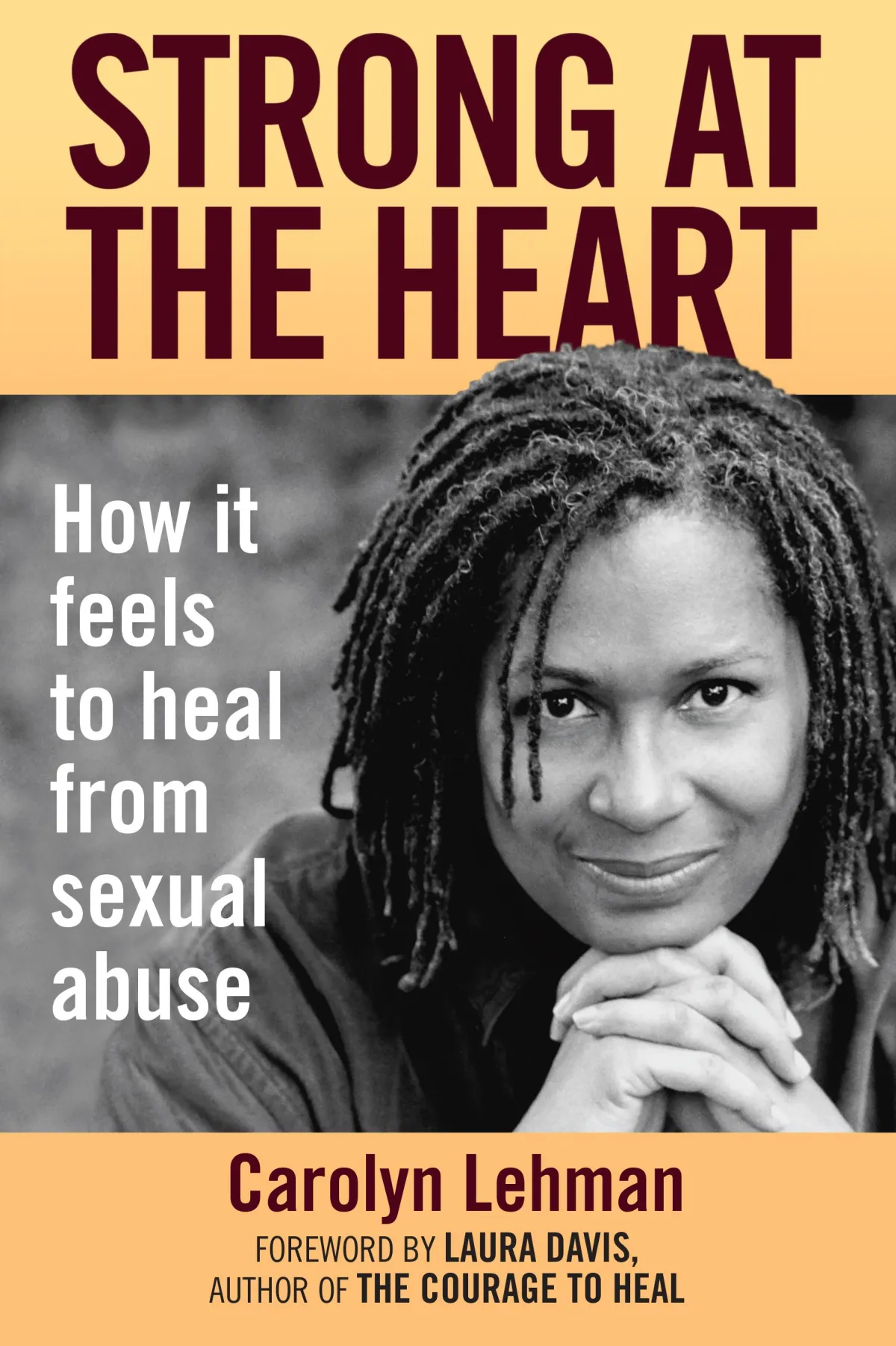
Hip Librarian has a five star review of Strong at the Heart up on their website. Nice!

Readers from SNAP keep coming (see below for post on Jonathan, a SNAP member featured in Strong at the Heart).

I also heard from Catherine Atkins, author of When Jeff Comes Home, which was inspired by the Steve Stayner case here in California. Her book is currently being challenged in Texas.

This excellent YA novel is told through the eyes of a boy who has been kidnapped and held for over two years by a pedophile. The action takes place after his return home as he struggles to integrate himself into a world that no longer fits him. It is both heartbreaking and very real. You can see how difficult it is for him to trust, to touch, and yet by the end he is finally able to break his silence and reconnect with his father.

So what’s the problem in Irving, Texas?

A parent asked that the book be removed from the shelves because he felt it was “too mature” for middle school students. The school superintendent has decided that kids can still check it out–but only with written parental permission. This decision will be debated at a public hearing on January 23rd.

Should books on abuse be on the open shelves of middle school libraries? Catherine Atkins said in an interview with the Dallas Morning News, “It’s healthy for students to have access to information. They can accept it or reject it – self-censorship in a way. You pick up a book, and if you’re ready for it, you’re ready for it. If you’re not, you set it down.”

You can read the full article on the Catherine Atkins’ blog and find out more about When Jeff Comes Home on my books page or her website.

Comments

SNAP story

Last weekend, this site was linked to the homepage for SNAP (Survivor’s Network of those Abuse by Priests) and included in their on-line bookstore. Thank you, Phil! There’s been a lot of traffic from the SNAP site. So I want to let you know that SNAP plays an important role in the second chapter of Strong at the Heart which is an interview with Jonathan, the teen with the double earrings in the slide show on my homepage.

Since I haven’t yet (sorry!) posted parts of his story on the interview page, I’ll give you a taste of his chapter here.

When I met Jonathan, he was seventeen years old, the sixth child in a good Catholic family of twelve kids. He described himself and his brothers as “an original bunch of rowdy boys.”

At age ten, Jonathan was sexually abused by the family priest. Although one of his brothers helped to end the abuse, they never talked about it. Jonathan didn’t tell anyone what happened for years. In his chapter, he describes the corroding effect of the abuse on his self-image, his developing sexuality, and his relationships with family and friends. As a young teen, he got into drugs and attempted suicide. He lashed out at his family.

Jon also tells how the abuse eventually came out, how he “connected the dots” and–with help from his family–overcame his destructive behavior.

SNAP was an important part of Jon’s advanced healing and his decision to speak out as a teen survivor.

“This past July I saw a couple of older guys on TV who were abused by priests, guys in their thirties and forties. That’s when I realized that I wasn’t the only one. I am not alone. . .

“So I got hold of this group called SNAP . . . I started going to meetings, met other people just like me. It was one of the biggest healing processes for me because–therapist, family, friends–no matter how much they want to help, people do not understand how you feel unless they have gone through it, too.”

Because of SNAP, Jon decided to speak out at a press conference which was covered by the major newspapers in his region. In his chapter he describes what it was like to go to high school the day after everyone found out about the abuse. The chance to help other kids, he feels, is worth it. He has spoken out about sexual abuse at schools in his state.

“Other teenagers can see that I’m a kid just like them, from an everyday town like theirs, and it hits home. That’s when people realize that sexual abuse isn’t just a story in a book or a scene in a movie. It’s something that happens every single day to people like them.”

Jonathan also participated in a SNAP vigil in Washington, D. C. He describes his conversations with his bishop, and the effect that the church’s cover-up of the original abuse had on his family and on his spirituality.

Going public about abuse isn’t for everyone. I am so glad Jon chose to be a part of Strong a the Heart. He gives voice to the experiences and feelings of young male abuse survivors. And he gives to other young survivors on the validation that he received from older members of SNAP.

Comments

boys stories

I’ve just read two books for teen readers that portray very different experiences of sexual assault—both through the eyes of boys. Target, by Kathleen Jeffrie Johnson (Roaring Brook Press, 2003), is about a boy named Grady who is the victim of a gang rape.

The second book is Inexcusable, by Chris Lynch (Atheneum, 2005), which came out the week before Strong at the Heart was released. Inexcusable is told in the voice of high school senior, athlete, and self proclaimed “good guy” who rapes his date on the night of the prom.

Surprised? Young adult literature is taking some interesting turns. Editors have been open to new viewpoints and tough material for quite a while now and that has allowed for the exploration of themes like rape and abuse.

on target?

Inexcusable will be a tough read for some survivors, but Chris Lynch has done something very interesting here. Readers can see the self-justification that allows Keir to believe he is a “good guy.” His family’s attitudes and male sports culture reinforce this skewed self image.

The book goes a long way in exploring how date rape happens and how denial functions. And although the book is told through Keir’s twisted and unreliable viewpoint, his victim—Gigi—emerges as a clear and honest voice. “You raped me,” she tells him. She has been traumatized and deeply betrayed, but she will not let him off the hook.

Target is more problematic for me–although I was happy when I found it. There is a huge hole in the literature. One out of every five to six boys experience sexual abuse, but there are very few novels for teens that explore the sexual victimization of males. This one promised to tell that story. (You can find others on the web resources pages on this site.)

The trouble I have with Target, is that Grady is so passive. After a brutal and humiliating assault by two older men and the disdainful response of police, the tall, athletic sixteen-year-old sinks into depression and anorexia. He abandons his solid, caring friends, and hides out by attending a school across town. He barely functions.

Every step forward in the book is made by other people—most especially a lively African American classmate who shows phenomenal determination to reach Grady and shake him loose. Throughout the book, Grady doesn’t do a thing to help himself.

I wonder, if I was in Grady’s position, would it help to read this book? Shame, depression, isolation–these are all part of the post traumatic experience. But the story seems to set up the expectation that if you get raped, you’ll be a basket case and that others will have to come to your rescue. Maybe it is the pity that the other characters feel for him that sets my teeth on edge.

Help me here. I want to recommend more good books about boys’ experiences. Have I missed something? Is Grady credible?

Comments